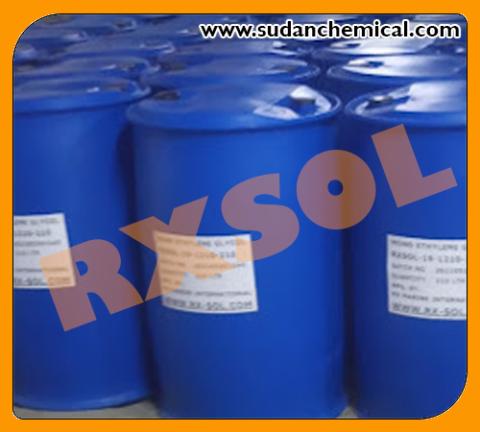
Product code: RXSOL-60-6604-306
CHLOROFORM
Chloroform or trichloromethane, is an organic compound with formula CHCl₃. It is a colorless, strong-smelling, dense liquid that is produced on a large scale as a precursor to PTFE. It is also a precursor to various refrigerants. It is one of the four chloromethanes and a trihalomethane.
Application
Trichloromethane is used as a solvent for iodine, alkaloids, fats and some other substances.
Chloroform is majorly used for the manufacturing of Freon refrigerant R-22. The application of R-22 as refrigerants has been phased out in developed countries due to global warming, but it continues to be in high demand in developing countries owing to its easy availability and manufacturing.
It has been used as a prominent anaesthetic during medical surgeries ever since its effects were discovered. Even criminals use this compound to knock out their victims due to its anaesthetic effects.
It has been reported that breathing air that has 900 ppm chloroform in it can cause dizziness, headache and fatigue.
Once the toxic nature of this compound and its harmful effects on liver, kidneys and the central nervous system were discovered, its use as an anaesthetic had been replaced by other safer products.
The poisonous nature of this compound is attributed to phosgene.
The oxidation of chloroform in the presence of light produces a highly poisonous gas, called phosgene.
This is the reason for storing chloroform in air-tight dark-coloured bottles filled completely so that it has no contact with air.Trichloromethane is used as a solvent for iodine, alkaloids, fats and some other substances.
Chloroform is majorly used for the manufacturing of Freon refrigerant R-22. The application of R-22 as refrigerants has been phased out in developed countries due to global warming, but it continues to be in high demand in developing countries owing to its easy availability and manufacturing.
It has been used as a prominent anaesthetic during medical surgeries ever since its effects were discovered. Even criminals use this compound to knock out their victims due to its anaesthetic effects.
It has been reported that breathing air that has 900 ppm chloroform in it can cause dizziness, headache and fatigue.
Once the toxic nature of this compound and its harmful effects on liver, kidneys and the central nervous system were discovered, its use as an anaesthetic had been replaced by other safer products.
The poisonous nature of this compound is attributed to phosgene.
The oxidation of chloroform in the presence of light produces a highly poisonous gas, called phosgene.
This is the reason for storing chloroform in air-tight dark-coloured bottles filled completely so that it has no contact with air.
Dosage
The toxic dose of chloroform is 7 to 25 mg/dL (0.59 to 2.1 mmol/L). At inhaled concentrations of less than 1500 ppm, physical effects of dizziness, tiredness, and headache are reported; anesthesia occurs at a range of 1500 to 30,000 ppm.