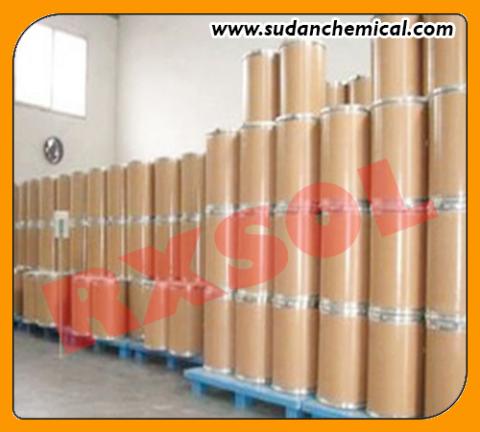
Product code: RXSOL-60-6605-790
TRYPSIN UG 2000
Trypsin is an enzyme that helps us digest protein. In the small intestine, trypsin breaks down proteins, continuing the process of digestion that began in the stomach. It may also be referred to as a proteolytic enzyme, or proteinase. Trypsin is produced by the pancreas in an inactive form called trypsinogen.
Application
Trypsin is a serine protease that specifically cleaves at the carboxyl side of lysine and arginine residues. The selectivity of this enzyme is critical for reproducible protein digestion and mass spectrometry-based protein identification. Since chymotrypsin co-purifies with trypsin derived from natural sources, Pierce Trypsin Protease has been treated with TPCK to eliminate chymotryptic activity, improving digestion specificity. Native trypsin is also subject to autolysis which can reduce enzyme stability and efficiency. To reduce autolytic degradation, Pierce Trypsin Protease is chemically modified by methylation, yielding a highly active and more stable form of the enzyme.
Trypsin is a serine protease that specifically cleaves at the carboxyl side of lysine and arginine residues. The selectivity of this enzyme is critical for reproducible protein digestion and mass spectrometry-based protein identification. Since chymotrypsin co-purifies with trypsin derived from natural sources, Pierce Trypsin Protease has been treated with TPCK to eliminate chymotryptic activity, improving digestion specificity. Native trypsin is also subject to autolysis which can reduce enzyme stability and efficiency. To reduce autolytic degradation, Pierce Trypsin Protease is chemically modified by methylation, yielding a highly active and more stable form of the enzyme.
Dosage
Take it 30 minutes before a meal or as directed by your doctor. Stop using Trypsin Chymotrypsin at least 2 weeks before a scheduled surgery as it may interfere with blood clotting. Inform your doctor if you have liver or kidney disease or problems with your blood clotting mechanism.